

Scars on the arm are more than just skin marks; they often leave a lasting impression on the mind. It's not uncommon for arm scars to result from accidents, burns, or self-harm. We frequently receive the question, "Can already established arm scars be lightened now?" To answer directly, it is reported that noticeable improvement can be expected if treatment is chosen to match the scar's color, depth, and thickness.
The arm is a frequently exposed area, so the psychological burden of scars can be significant. Especially for arm scars that don't fade on their own over time, a detailed and proactive approach is necessary.
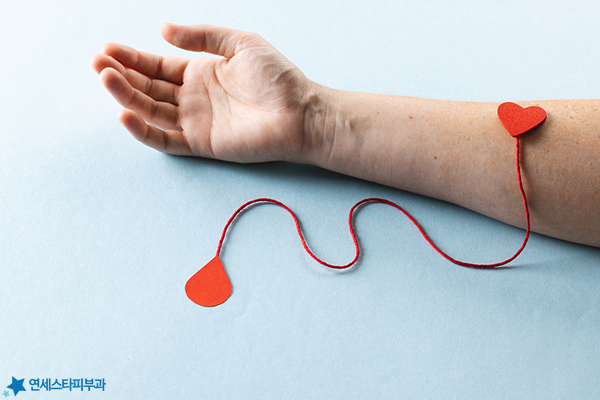
Why Ointments and Hydrocolloid Dressings Are Not Enough
It is commonly thought that if a wound is treated quickly with ointment or a hydrocolloid dressing in the early stages, it can prevent scarring. In mild cases, good results may be seen. However, once a scar has already formed, the damaged tissue deep within the skin layers needs to be repaired, so ointments alone tend to yield unsatisfactory results.
Lasers can reach deep into the skin layers, and it is reported that they can achieve recovery close to the original state even for severe or old marks.
What Causes Scars on the Arm?
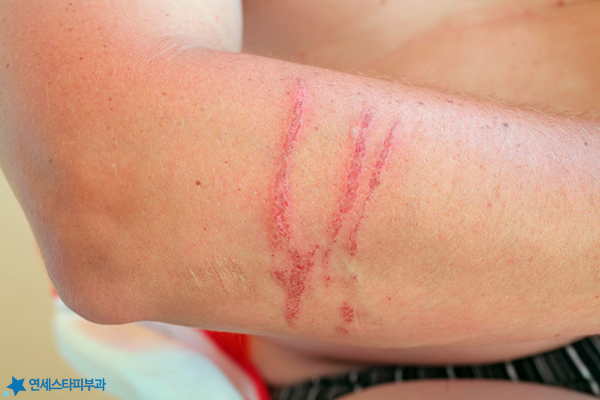
The arm is an area that is frequently moved and exposed in daily life, making it prone to scarring for various reasons. Since the nature of a scar changes depending on its cause, the starting point of treatment is to differentiate the causes.
- Self-harm scars: Often left thick and deep due to repeated injuries.
- Traumatic scars: Can develop into suture scars after trauma such as tearing, scratching, or incision.
- Burn scars: Scars caused by hot water, electricity, or chemicals, which can lead to dark pigmentation or uneven skin texture.
- Skin damage after skin diseases: Pigmentation or wound marks can remain after folliculitis or dermatitis.

Recently, there have also been cases of burn scars resulting from accidents during tattoo or cosmetic laser procedures. Suture marks from trauma are approached similarly to Surgical Scar Revision management. As arm scars have diverse causes, treatment methods also vary depending on their color, depth, and thickness.
How Does the Approach Differ by Scar Type?
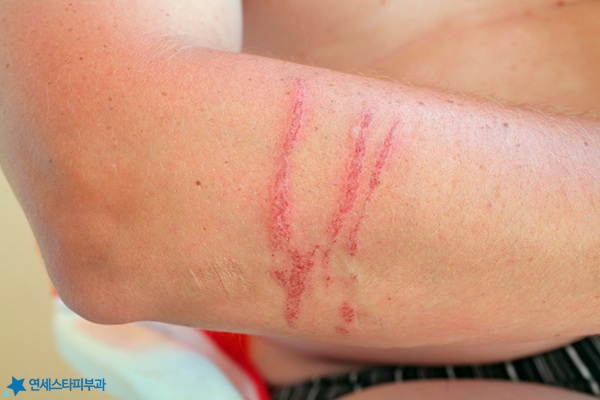
Scars can be broadly categorized into red scars, raised scars, and old, depressed scars. The equipment used and combination methods vary depending on the condition.
| Scar Type | Characteristics | Treatment Direction |
|---|---|---|
| Red Scars (Erythematous) | Redness appearing in the early stages of recovery | Vbeam Prima to normalize developed blood vessels |
| Raised Scars (Hypertrophic Scars, Keloids) | Hard, raised areas due to skin overgrowth | Combination of Ultrapulse Encore laser and Triamcinolone Scar Injection |
| Old, Depressed Scars | Depressed areas after a long time | Combination of Fractional Laser, Skin Boosters |
Red scars primarily appear in the early stages of wound healing. The Vbeam Prima laser is reported to be effective in normalizing developed blood vessels that cause redness. Rapidly reducing redness with a laser specialized for vascular lesions can help prevent arm scars from becoming noticeably established later.
Raised scars are hard, elevated forms caused by excessive skin proliferation. The Ultrapulse Encore laser helps regeneration, and Triamcinolone, a Triamcinolone Scar Injection for keloids and hypertrophic scars, helps flatten the raised skin. Combining these two treatments is reported to maintain the effect longer.
For individuals with a keloid tendency, there is a possibility of the scar growing larger or recurring, so a combined management approach is generally more advantageous in terms of satisfaction than a single procedure.
If you have a keloid scar tendency, a plan that considers the possibility of recurrence from the outset is necessary. You can check any questions you have through inquiry for scar type-specific treatment consultation.
How to Fill Old Scars and Depressed Marks

For scars that have been present for a long time, a method that induces skin regeneration is needed to fill the depressed areas. Combination treatments with fractional lasers or skin boosters like Rejuran that help activate regeneration can be considered.
As laser scar treatment has become known, more people are visiting clinics for improvement. However, since the appropriate equipment varies depending on each condition, a treatment plan based on accurate diagnosis must be established first.
Things to Check Before Treatment
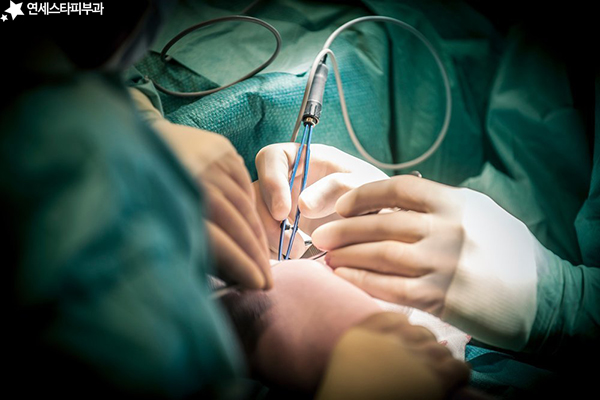
In the consultation room, even with the same arm scar, the starting point can be completely different depending on its color and depth. Reviewing the following together before starting treatment can make planning easier:
- Cause and duration of the scar
- Color (redness, brown pigmentation, white) and surface height
- Presence of keloid tendency and past scar experiences
- Consideration of recovery period based on exposure time or daily activities
Scar Treatment Is Also the Beginning of Psychological Recovery

Noticeable arm scars can sometimes cause greater psychological distress than physical discomfort. When self-inflicted marks or traces from unexpected accidents are visible, especially during seasons with more exposure, it can be psychologically burdensome. In such cases, it is reported that satisfactory changes can be expected by choosing the right equipment and approach for the scar without giving up.
If you've found yourself always reaching for long sleeves and feeling uncomfortable even in summer because of scars, it's a good time to take a step forward now.
💬 Consult Now

Chief Director Lee Sang-joo (MD, PhD, Yonsei University College of Medicine and Graduate School, completed dermatology residency at Severance Hospital, President of the Korean Dermatological Association) Chief Director Lee Sang-joo's Profile First published 2025-07-04 / Last reviewed 2026-06-16
This content is for general information purposes only, and treatment results and progress may vary depending on individual skin conditions. Please consult with medical staff for an accurate diagnosis.