

You've probably been bothered by the dark spots on your face that seem to increase every time you look in the mirror, and that are hard to cover with makeup. To get straight to the point, most pigmentary lesions like seborrheic keratosis and lentigo can be improved with laser treatment, and choosing the right equipment for the nature of the lesion determines satisfaction.
Dark spots are not a direct threat to health, but as their number increases and they spread widely on the skin, they can make the face look dull and older. Therefore, many people consider treatment for aesthetic reasons.
Why and how does seborrheic keratosis occur?
As we age, the skin's regeneration rate slows down. Accumulated skin damage from external stimuli like UV rays can lead to brown or black spots on the face. Benign skin growths that resemble seborrheic keratosis or warts are also called seborrheic keratosis and commonly occur in middle-aged and older adults after their 40s.
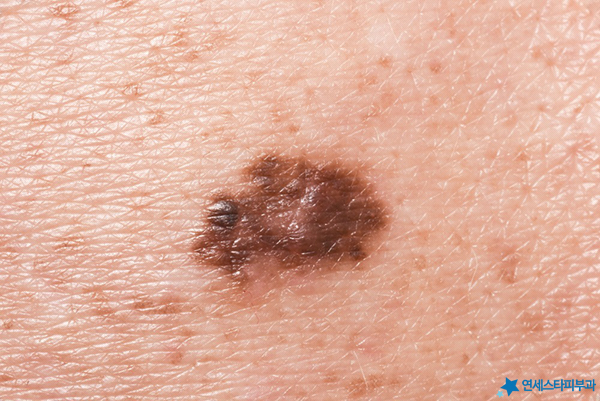
Recently, they are also found in a significant number of young people in their 20s. It's good to think of them as skin changes that can appear at any time after the 20s, when skin aging begins. This is because in daily environments with accumulated UV exposure, pigmentary issues can become prominent regardless of age.
Benign and malignant, what should be distinguished?
Spots that appear on the skin can be divided into benign tumors like seborrheic keratosis and malignant tumors called skin cancer. Seborrheic keratosis is a type of benign tumor, and it rarely progresses to skin cancer. However, if you observe the following changes, a precise diagnosis in the clinic is prioritized over self-diagnosis:
- Sudden bleeding from the lesion area
- Continuous growth in size over a short period
- Irregular changes in color or border
- One area becoming unusually thick and raised

Seborrheic keratosis is a benign lesion, but if sudden bleeding or rapid size changes occur, a diagnosis to rule out malignancy is prioritized.
Warts and seborrheic keratosis are different
There is a perception that blemishes appear on the face and then spread widely, but this characteristic only applies to some conditions, not all dark spots. Warts are most commonly confused. Warts are a viral disease that spreads to surrounding areas, whereas seborrheic keratosis is not contagious.
| Classification | Seborrheic Keratosis | Warts |
|---|---|---|
| Cause | UV rays, skin aging | Viral infection |
| Contagiousness | None | Present |
| Spread pattern | Varies by area and timing | Spreads to surrounding areas |
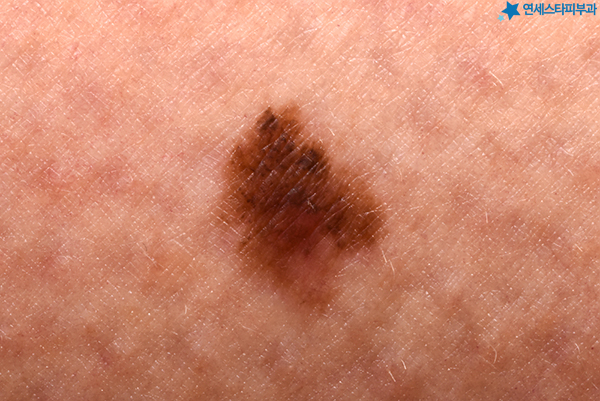
Why do people feel that the number of spots increases over time even if they are not contagious? This is likely due to differences in the timing of their discovery. Even if exposed to sunlight at the same time, some areas may show pigmentary problems earlier, while others appear later, making it seem as if they are spreading. If warts are suspected, a separate treatment tailored to the lesion's characteristics, such as Laser Lesion Removal, would be considered.
Improvement is possible with laser treatment
Laser treatment is possible, tailored to the characteristics of the pigment. Seborrheic keratosis is characterized by being thicker and more raised than typical pigmentary lesions. Depending on the thickness, laser treatment may need to be repeated 1-2 more times, but it is a condition that can be sufficiently improved, so you don't need to worry too much.
RePott Laser is gaining attention for quickly removing lentigo and seborrheic keratosis that appear on the epidermis. It is reported to have high satisfaction because it can cleanly remove them with fewer sessions using powerful energy. If epidermal pigments like blemishes, seborrheic keratosis, and freckles are present together, Epidermal Pigment Removal may also be considered.
If you are curious about which equipment is suitable for your pigment, you can easily check by contacting us via chat for seborrheic keratosis laser treatment.
Is there a specific good time for treatment?
One of the most common misunderstandings about seborrheic keratosis laser removal is timing. Some people often think that to see results, it needs to be done at a specific season or time, but laser treatments for pigment selectively act on the problematic lesion, so it is not a management method with a fixed treatment period.

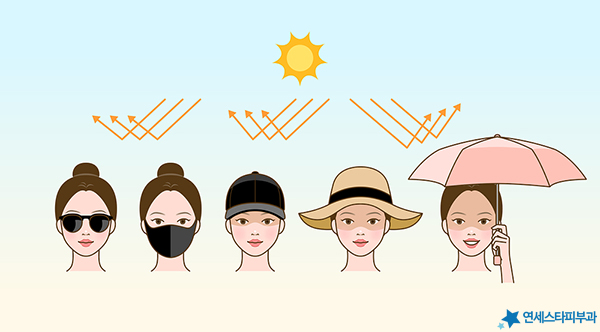
If noticeable dark spots appear on your face, starting treatment as quickly as possible is the best timing. We recommend starting early without delay. However, during periods of strong UV radiation like summer, it is advisable to pay extra attention to sun protection after laser treatment.
Post-treatment care determines the results
For pigmentary lesions known to have a high recurrence rate, consistent care along with laser treatment is very important. After the procedure, please take care of the following in your daily life:
- Apply sunscreen thoroughly and reapply frequently
- Ensure sufficient hydration and moisturizing to prevent skin dryness
- Refrain from actions that irritate the lesion, such as excessive scrubbing
- Do not forcibly remove scabs that have formed
- Consult with medical staff if you notice any color changes or abnormal reactions

It is not uncommon for other factors that make the skin tone dull, such as facial redness or pores, to be present in addition to pigment. In such cases, considering an approach tailored to the cause, separate from pigment treatment, can help improve the overall skin appearance.
Who can we recommend this to?

If you are bothered by dark spots that become more noticeable over time, if lentigo or seborrheic keratosis are difficult to remove, or if you are concerned about a dull and uneven skin tone, we will help you achieve healthier and brighter skin with equipment suitable for you, including RePott Laser. Since the effects and the number of treatments required may vary individually, it is important to first assess the condition of the lesion.

If you are curious whether your dark spots are seborrheic keratosis or another pigmentary disorder, or which equipment is right for you, don't hesitate to find out.
💬 Consult NowChief Director Lee Sang-joo (MD, PhD, Yonsei University College of Medicine and Graduate School, Completed Dermatology Residency at Severance Hospital, President of the Korean Dermatological Association) Chief Director Lee Sang-joo's Profile First published 2025-07-14 / Last reviewed 2026-06-16
This content is for general information purposes only, and results may vary depending on individual skin conditions. Accurate diagnosis and treatment direction must be determined through face-to-face consultation with medical staff.